Source: Samiel Rodriguez / Unsplash
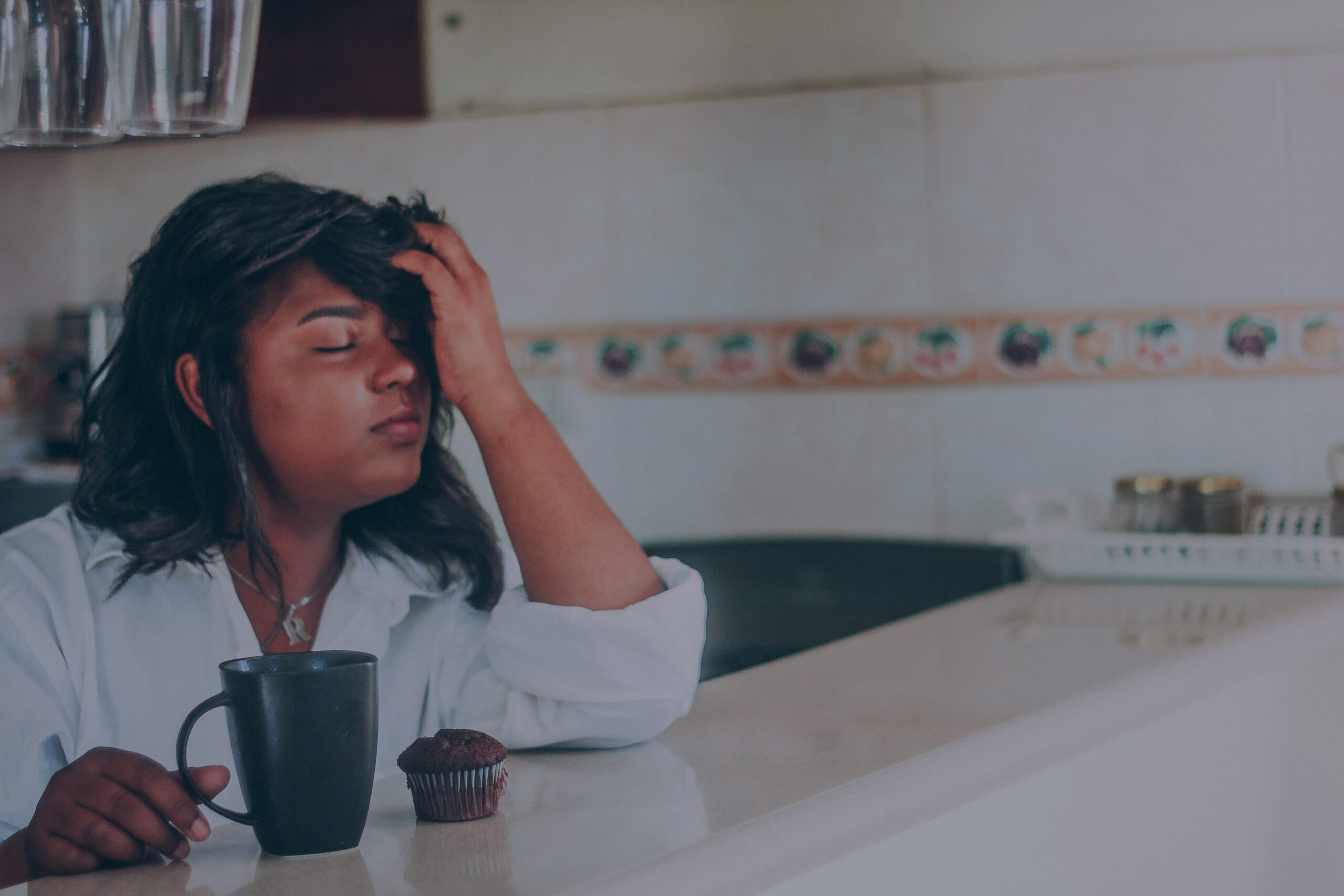
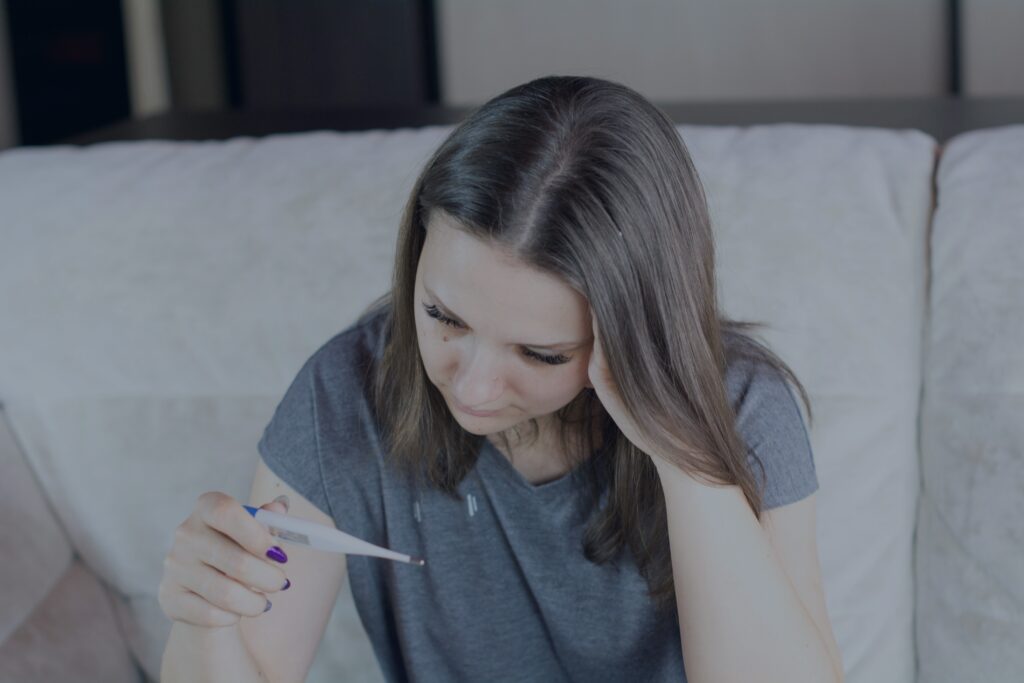
There’s a question that doesn’t get asked nearly often enough: who takes care of Mom when Mom is sick? Not in the sense of who brings her soup — someone usually does that, at least once. The real question is what happens the next morning, when the school run still has to happen, the meals still need to get made, and the household still expects to run on schedule, regardless of how she’s actually feeling. For a lot of mothers, maternal self-care doesn’t just take a back seat when she’s sick — it disappears from the schedule entirely. She gets up anyway.
This isn’t a complaint about any one family or any one arrangement. It’s a pattern worth naming gently: mothers, more than almost anyone else in a household, are expected to be the exception to their own rules about rest. Everyone else gets a sick day. Everyone else gets permission to cancel plans and just recover. Part of why that permission is so hard to extend to mothers is that so much of what they carry never shows up on anyone else’s radar in the first place.
“Mothers, more than almost anyone else in a household, are expected to be the exception to their own rules about rest.”
Research on household labor has found that mothers disproportionately carry this kind of invisible, anticipatory work — tracking appointments, cross-referencing schedules, anticipating small crises before they happen. In effect, they act less like one member of the household and more like its manager. That imbalance is linked to higher rates of burnout, anxiety, and depression among mothers (Ciciolla & Luthar, 2019). When that role doesn’t pause for illness, maternal self-care isn’t just delayed — it’s structurally unavailable.
Research on maternal self-care backs up what most mothers already know from lived experience. A qualitative study of mothers of young children found that the two biggest barriers to any form of self-care were lack of childcare and lack of time — not lack of desire, and not lack of awareness that rest matters (Lax et al., 2023). The same research noted that mothers largely understood self-care as something more than a manicure or an hour to themselves; what they actually needed was support substantial enough to let them step back at all, and that kind of support was often the very thing missing.
Source: Bernie Studio / Unsplash
You cannot pour from an empty cup. It’s a familiar phrase for a reason — because it’s true, and because knowing it’s true rarely changes the daily math on its own. Believing you deserve rest and structurally having access to it are two different problems, and the second one usually requires more than willpower to solve. That gap is exactly why maternal self-care so often gets treated as a luxury item instead of a baseline need — something to get to eventually, once everything else is handled, which for most mothers is never.
REFERENCES
Ciciolla, L., & Luthar, S. S. (2019). Invisible household labor and ramifications for adjustment: Mothers as captains of households. Sex Roles, 81(7), 467–486. https://doi.org/10.1007/s11199-018-1001-x
Lax, E. S., Graziosi, M., Gioia, A. N., Arunagiri, V., & Novak, S. A. (2023). “More than just a manicure”: Qualitative experiences of maternal self-care during COVID-19. Women’s Health Reports, 4(1), 571–583. https://doi.org/10.1089/whr.2023.0081